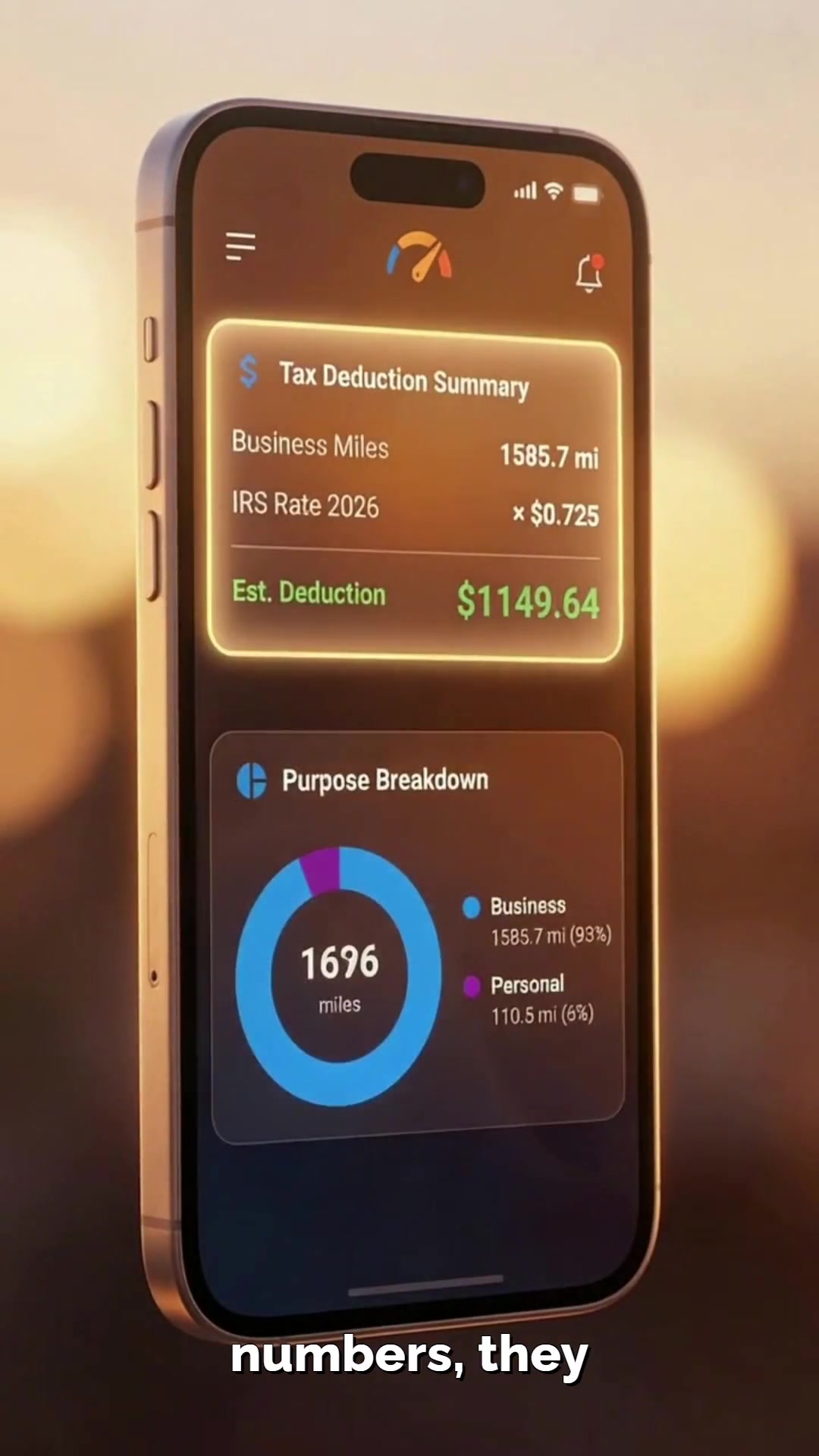
0:10
Revenue, Expenses, Miles, Time, Taxes
Five things every self-employed driver has to keep in the air at once, and nobody is doing any of them for you. TrakMiles Pro keeps all five in one place instead of five.

Real workflows, real numbers. Short walkthroughs of how TrakMiles Pro fits the way self-employed pros actually work — every mile, every payment, every deduction, captured the moment it happens.
This library collects short videos on the three things every self-employed person who drives has to get right: tracking business miles, tracking money in and money out, and putting both on the correct line of Schedule C. Mileage is the biggest of them — 12,000 business miles is worth $8,700 at the 72.5¢ first-half 2026 rate and $9,120 at the 76¢ rate from July 1, all reported on Line 9. The videos are grouped by profession and by deduction below, and each section links to the full written guide behind it.
If you're juggling a mileage tracker, a spreadsheet, a calculator, a receipt folder, an email inbox, and a calendar — this is what TrakMiles Pro replaces. Watch the full overview.
Before any deduction matters, you need the numbers underneath it. These cover what to track from day one, why your real hourly rate is lower than gross pay, and how dollars per mile tells you whether a job was worth taking. The written version is what to track when you start working for yourself.
0:10
Five things every self-employed driver has to keep in the air at once, and nobody is doing any of them for you. TrakMiles Pro keeps all five in one place instead of five.

0:10
“Know your worth” is easy to say and hard to act on without a figure behind it. Work out what an hour of your work actually leaves you, and declining a bad offer stops being a judgement call.
0:10
The Q3 estimated tax payment covers what you earned June through August, and nobody sends you a reminder. Miss it and interest starts accruing at the current underpayment rate, compounded daily.
0:10
Every business owner takes a day off. When you work for yourself, nobody mentions that the day costs you rather than pays you — which is why the car in the driveway can feel like an accusation.
0:10
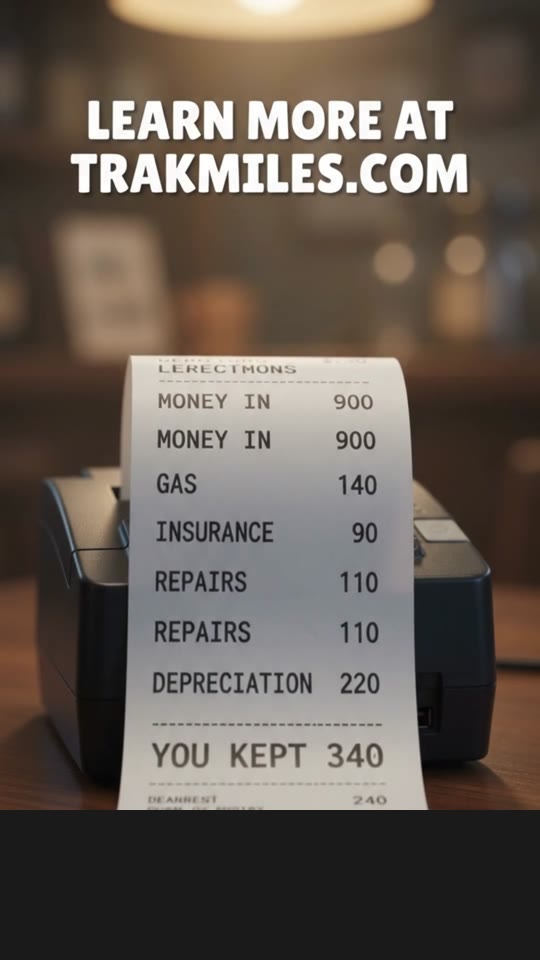
$900 came in. Gas, insurance, repairs and depreciation came straight back out, and $340 stayed. That subtraction is all a profit and loss statement is — and your bank balance never shows it.
0:10
Same car, same hours, same city — and one driver takes home far more. The difference is rarely the driving. It is knowing which hours pay, what the car costs per mile, and what a job is worth before accepting it.
0:10
The drive to your first job and the drive home are miles you pay for and nobody pays you for. Keep the working circle tight and take work heading in and heading home, and that money stays yours.
0:10
A deduction lowers your taxable income — it gives back roughly a fifth of the mile. Getting paid for the mile gives you the whole thing. Two different numbers, and drivers mix them up constantly.
0:10
Fuel, tires, maintenance, insurance and the resale value your car quietly loses. Most drivers have never worked out what a mile actually costs them — the free calculator does it in a minute.
0:30
Depreciation is about 22¢ of every mile on a typical car, and no bill ever arrives for it. You just get less back at the end. Work out your own number with the free calculator.
0:30
The planet is 24,901 miles around. A 20,000-mile work year is 80% of a lap. But you deduct the miles you can show, not the miles you drove — 20,000 logged is $15,200, unlogged is nothing.
0:30
The app counts active trip time. Your hour started when you left the house — the drive to the zone, the waiting, the drive home. All of that is yours, and none of it is in their number.
0:29
A busy day is a high mileage day. More orders means more miles between them, and every mile costs about 76¢. The big gross number can cost more to earn than a smaller one.
0:28
The I-R-S sets the mileage rate from a study of what running a car actually costs. So if a job pays under 76¢ a mile across every mile you drove, you paid to work.
0:30
The day you take money for work, you're a business. Track three things from day one: your miles, your money in, and your money out. That's the whole foundation.
0:20
Guess your time and you're guessing your hourly — and guessing your whole business. From a solo driver to a 10-person crew, track it the moment it happens.
0:20
Gross pay feels great — until you subtract gas and miles. Your actual dollars-per-hour after costs is the only number that matters.
0:21
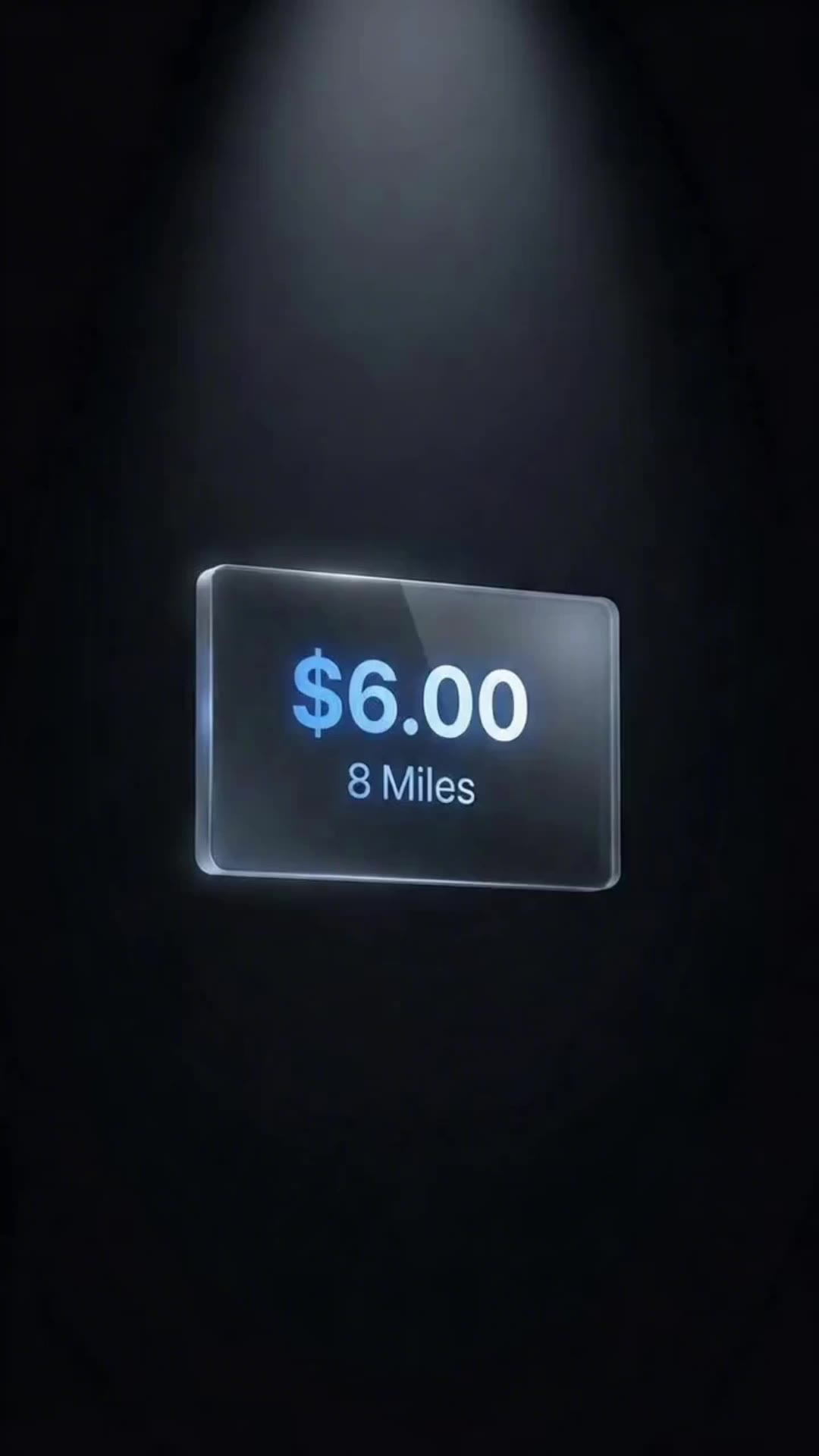
$6.00. Eight miles away. Smart drivers know their cost per mile before they tap accept — because some orders pay you to work.
0:30
Point of sale in 1986. Then the largest independent dial-up network in the country, half a million subscribers, every one of them billed. Now the same problem for drivers — so we built TrakMiles Pro.
0:34
250 years ago, America bet everything on independence. Every day you drive for yourself, you make that same bet. TrakMiles Pro keeps your miles, your money, and your taxes in order — so you can own yours.
Multi-app drivers lose the most mileage, because the miles between platforms belong to none of them. See the DoorDash mileage tracker, Uber mileage tracker, Instacart mileage tracker and Amazon Flex mileage tracker pages, or the full guide to gig driver tax deductions for 2026.
0:13
The busiest day isn't always the best-paying one. See why the drivers who track every mile and dollar earn more.
0:28
That $180 day isn't $180 after gas and miles. See your true hourly rate once every cost is in the picture — not the number the app shows you.
0:19
A $1,200 week sounds great — until gas, miles, and expenses come out. TrakMiles Pro shows what you actually keep, not just what you grossed.
0:28
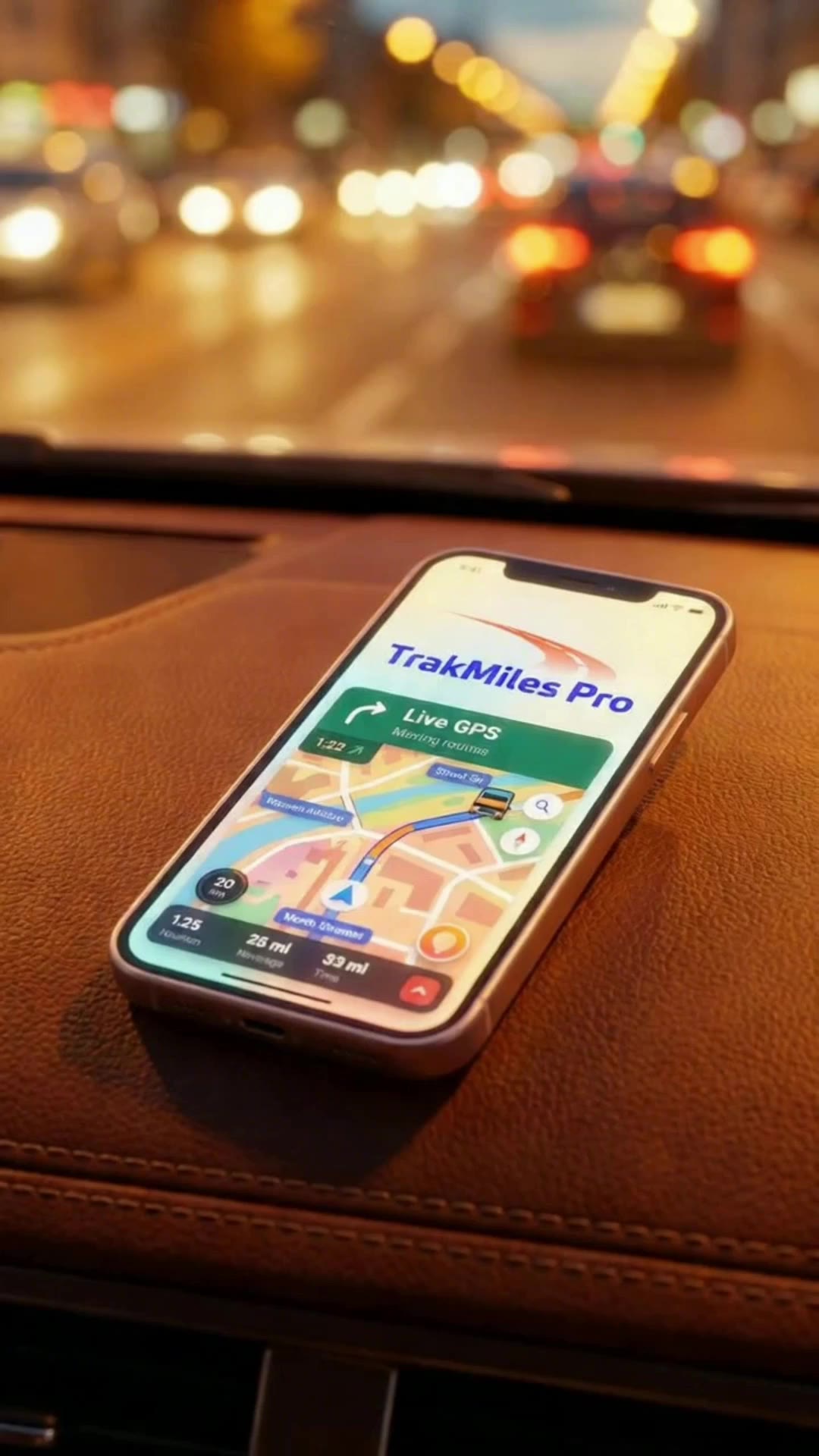
No clipboard, no receipts to wrangle, no buttons to remember. TrakMiles Pro detects when you're driving and records every trip hands-free.
Peak season means more miles and more fuel. The standard mileage rate already bundles gas and wear into every business mile — and 2026 is a split year, so check the 2026 IRS mileage rate and the July 1 increase to 76¢ before you calculate. More in summer driving mileage deductions.
0:20
Summer is peak season, and every business mile counts at 76¢. See how a 300-mile stretch turns into real deductions when every trip is tracked automatically.
0:25
Summer events mean surge pricing and packed pickups — and every mile to and from them is deductible at 76¢. Track the surge nights automatically and keep what you earn.
0:24
Blasting the A/C and burning more fuel in the heat? The 76¢ standard mileage rate already bundles gas and wear into every business mile — so tracked miles cover the summer cost spike automatically.
Yard to yard, crew to crew, all day. Every drive between properties is deductible business mileage. See the lawn care mileage tracker page or the full guide to lawn care mileage tax deductions.
0:33
Crew-to-crew, yard-to-yard, all day long. TrakMiles Pro tracks every job and mile automatically — and your data stays yours, with no third-party servers.
0:33
Every drive between properties is a deduction — or money lost. TrakMiles Pro captures every mile automatically so none of it slips away at tax time.
0:34
Every truck, every mile, every crew — in one view. Company Mode rolls up your whole team so you can see which routes and crews actually turn a profit.
The miles between patients are business miles, and for 1099 caregivers they add up faster than almost any other expense. See the home health aide mileage tracker page or the guide to home health aide tax deductions.
0:40
Every drive between visits counts at 76¢ a mile in 2026 — if you track it. TrakMiles Pro captures each trip automatically so 1099 caregivers keep every deduction.
0:25
Walk in, see your patient, drive to the next — TrakMiles Pro logs every mile in the background. Your visit data stays yours, with no third-party servers.
0:37
Six patients, eighty miles between them — one caregiver does four stops, another does six. Company Mode rolls up every aide's miles and visits so you see what's really profitable.
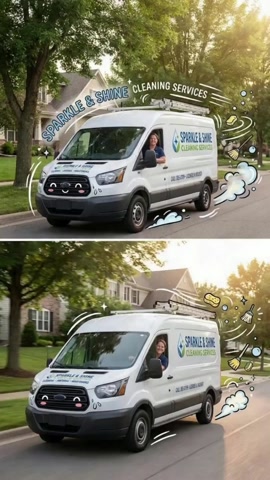
The drive between jobs is a cleaner’s biggest write-off, and Company Mode handles multi-van crews without a per-seat cost. Full breakdown in cleaning business tax deductions.
0:31
The drive between jobs is a cleaner's biggest write-off. See how TrakMiles Pro logs every mile automatically.
0:24
Your cleaning van racks up deductible miles all day. TrakMiles Pro captures every one — automatically.
0:22
Every job you drive to is a write-off waiting to be logged. TrakMiles Pro tracks it all, then hands you a tax-ready total.
0:27
Multiple cleaners, multiple vans, multiple routes. Company Mode tracks every driver's miles — no per-seat cost, no backend.
Most notaries log the drive to the signing and stop there — the post office run, the county recorder, and the miles between appointments quietly disappear. See the mobile notary mileage tracker page, the mobile notary mileage deduction guide, or the wider list of mobile notary tax deductions.
0:27
Most notaries log the drive to the signing and stop there. The trip to the post office to overnight the package, the county recorder, the miles between appointments — that's all deductible business mileage, and it's the part that quietly goes missing.
0:26
Refi. Hospital. Courthouse. Repeat. Zoom out from one signing to a full week and the mileage deduction stops being small change.
0:26
The 11am refi, the 40-minute drive, the next stop across town. Every leg of a signing day is a deductible mile — if it's logged.
0:23
Hospital signings, home closings, and every mile in between. TrakMiles Pro logs each trip automatically and hands you a tax-ready total.
Your truck is your shop. The drive to the job, the parts run, and the trip back are all deductible. See the mobile mechanic mileage tracker page or the guide to mobile mechanic tax deductions.
0:22
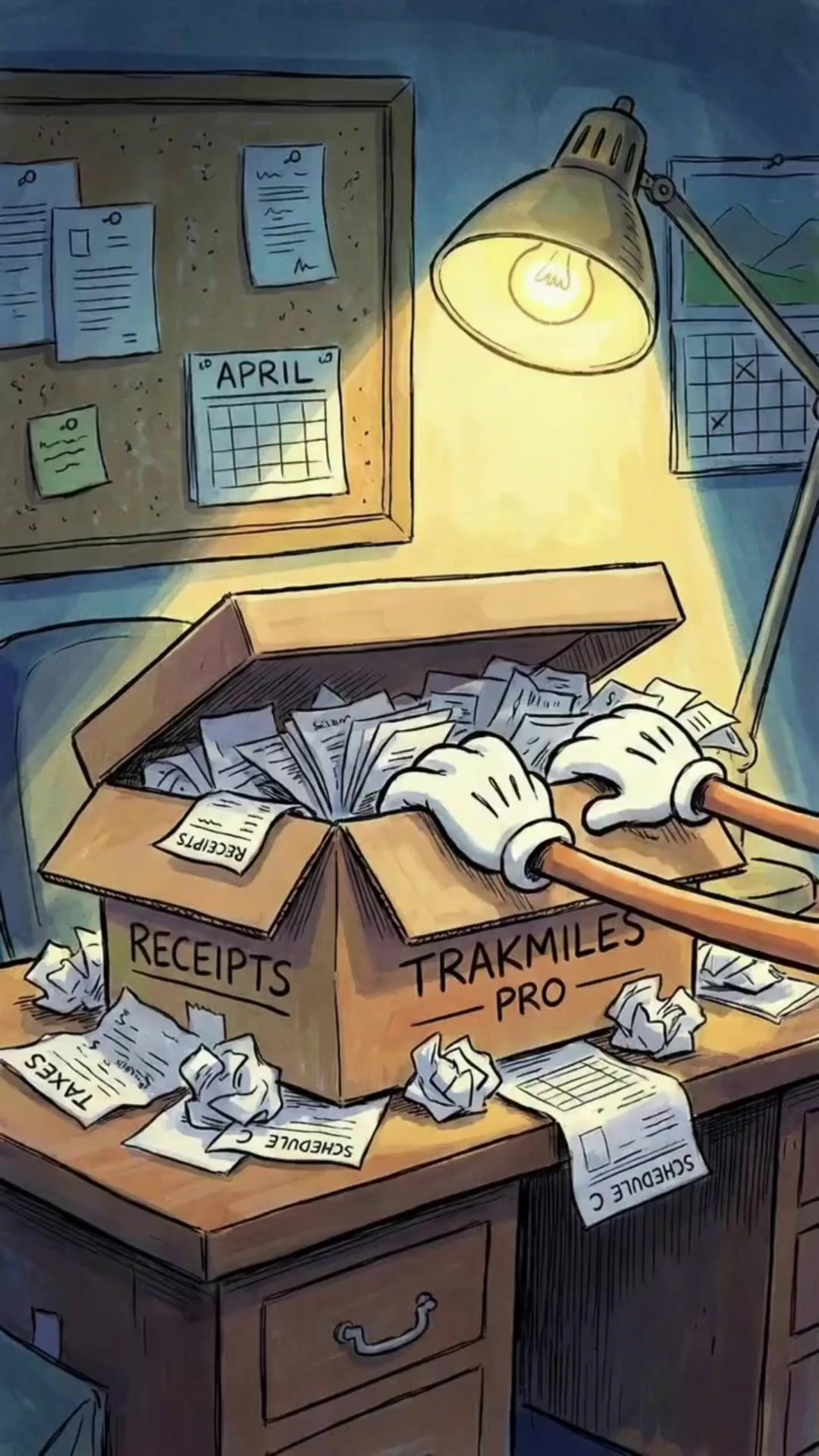
Receipts on the dash, parts invoices in the door, mileage you guessed at. "What came in" isn't what you made — see your real profit and Schedule C at a touch.
0:26
The drive to the job, the parts run, the trip back — every service-call mile is deductible. Your truck is your shop. Track it like one.
Every session has a drive attached — client, gym, park, repeat. See the personal trainer mileage tracker page or the full list of personal trainer tax deductions.
0:27
Driving between clients, gyms, and outdoor sessions? At 76¢ a mile, those drives are real deductions — if you track them. See how it works for self-employed trainers.
0:24
Every session has a drive attached. Track the miles between them and the real profit per client gets clearer — and so does the deduction. Built for self-employed trainers.
0:24
The drive to the park, the gym, the next client — it all adds up at 76¢ a mile. Track it automatically and watch the deductions stack up. Built for self-employed trainers.
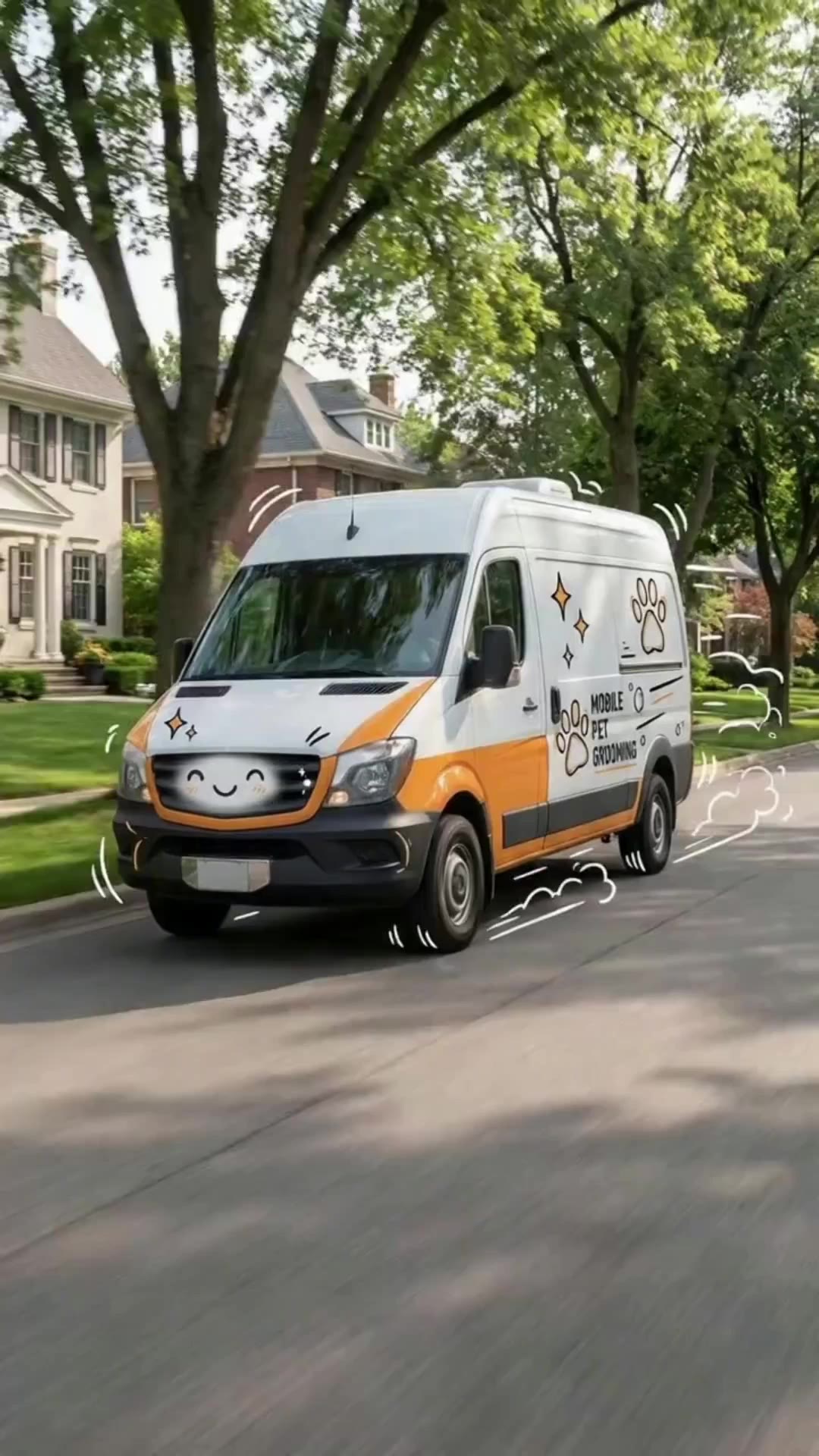
Dog walkers, sitters and mobile groomers drive short hops all day, and short hops are the easiest miles to lose. See the pet care mileage tracker page or the guide to pet care mileage tax deductions.
0:24
Dog walkers, sitters, and mobile groomers drive all day between clients. Every one of those miles is deductible at 76¢ — track the whole route automatically.
0:27
Different neighborhoods, back-to-back walks, a packed daily route. Every business mile between clients is deductible at 76¢ — track them all automatically.
0:20
The drive to each client's door is business mileage at 76¢. Pet care days are full of these short hops — track every one automatically and the deductions add up.
Each of these answers one question people actually search, and each maps to a real line on the form. Start with the complete Schedule C guide, then go deeper on IRS mileage log requirements, the four car costs that stack on top of the mileage rate, when meals are deductible, how much of your phone bill you can write off, and whether your subscriptions are deductible. Choosing a method? Compare standard mileage vs actual expenses.
0:30
A shoebox of receipts feels like guesswork, but nothing on Schedule C is a guess. Money coming in is Line 1, your miles are Line 9, home office is Line 30 — every deduction has an address on the form.
0:30
Everybody chases the small write-offs — phone, supplies, meals. But one line on Schedule C is worth more than all of them combined: your miles. Drive 12,000 business miles and Line 9 is worth over $8,000.
0:30
Run your business from home? If you use a space regularly and only for work, you can deduct $5 a square foot — up to $1,500, right on Schedule C. The kitchen table doesn't count.
0:30
The mistake that gets self-employed people in trouble: assuming that if an app didn't send a tax form, the money is free. Every dollar you earn is taxable — form or no form.
0:30
The standard mileage rate covers gas and repairs. But four costs stack right on top: parking, tolls, car loan interest, and value-based property tax. Nothing else does.
0:30
A log full of round numbers looks estimated, not tracked, and that's an audit red flag. Here's what a real log shows, and the fix.
0:30
Your everyday working lunch isn't a write-off, no matter how far from home you are. But two kinds of meals are 50% deductible. Here's the difference.
0:30
If your state taxes your vehicle by its value, the business share is deductible on top of standard mileage — the fourth and final cost that stacks.
0:29
Yes. The mileage rate covers running your car, not your trip costs — so business tolls and parking stack on top. Two of only four costs that do.
0:30
Yes. The mileage rate covers operating your car, not financing it — so the business share of your loan interest stacks on top. One of only four costs that do.
0:30
Your accounting app, mileage tracker, cloud storage — recurring business tools are deductible at their business-use share, deducted as you pay them, on your Schedule C.
0:30
Not the whole bill — just the business-use share. If 70% of your phone use is business, you deduct 70%. Here's how to figure your percentage and prove it.
0:30
The deduction is real, up to $25,000 — but your tips are still income, and you still pay self-employment tax on every one. And only the tip counts, not fares or bonuses.
0:30
The Qualified Business Income deduction takes 20% off — but not off your Schedule C profit. Three deductions come off first, then the 20%. Form 1040, Line 13.
0:30
Medical, dental, vision — every premium comes straight off your income on Schedule 1, Line 17. You get it even if you take the standard deduction. Most self-employed people never claim it.
0:30
Your old employer used to pay half your Social Security and Medicare. Now that bill is all yours — 15.3%. But half of that tax comes right back on Schedule 1, Line 15.
0:24
Don't reconstruct a year of expenses every April. TrakMiles Pro builds your Schedule C as you go — every mile and receipt, categorized the moment it happens.
0:31
1099 income doesn't have taxes taken out — and self-employment tax catches first-year earners off guard. See what a $40,000 year really means and how to plan for it.
0:35
A W-2 employee and a self-employed worker can earn the same and owe very different taxes. Here's why — and what the 15.3% self-employment tax really covers.
0:28
Buried under 1099s, receipts, and a looming quarterly deadline? The chaos comes from not seeing it coming. Track your numbers all year and tax season stops being a scramble.
A handwritten log or a catch-up spreadsheet is a reconstructed record, and the IRS trusts those far less than a contemporaneous one. See mileage tracker vs spreadsheet and automatic vs manual mileage tracking.
A handwritten log or catch-up spreadsheet is a reconstructed record — and the IRS trusts those far less. An automatic tracker is contemporaneous by definition.
0:24
The driving ended hours ago — so why are you at the kitchen table adding up miles and money by hand? Manual logs turn every night into a second unpaid shift.
0:26
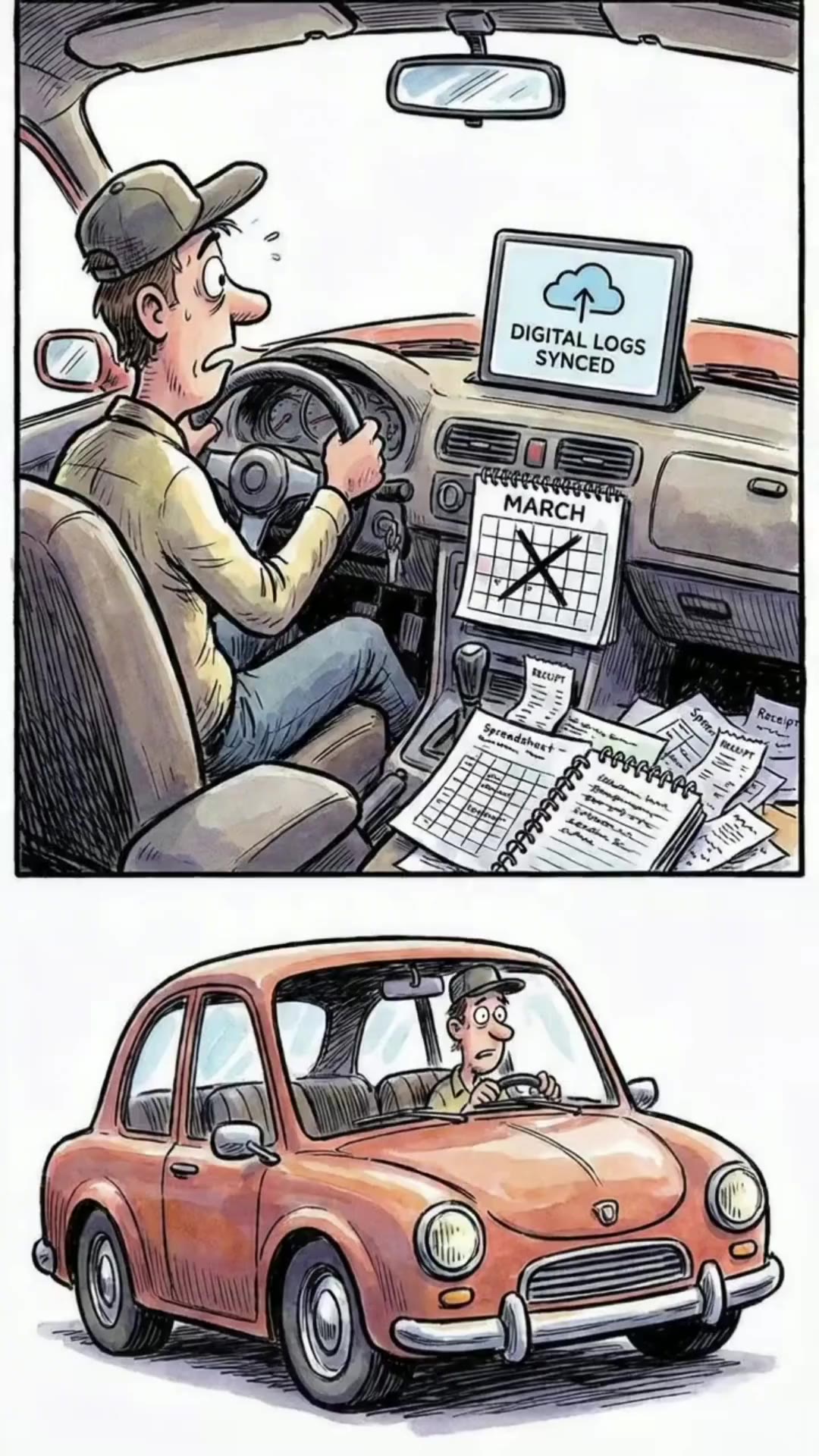
It's March, you're surrounded by receipts, and the spreadsheet still isn't done. Done by April — maybe. With automatic tracking, your logs sync as you drive and your numbers are ready when you are.
Every one of these tracks miles well. The difference is what happens after the drive. Read the full comparisons: TrakMiles Pro vs MileIQ, vs Everlance, vs TripLog, and vs Hurdlr — or see the roundup of the best mileage tracker apps for 2026.

0:23
TripLog is a solid mileage tracker — but it only tracks miles, so you still need separate software for your books. TrakMiles Pro keeps your miles and your real accounting — balance sheet, profit, taxes — in one app.
0:25
A mileage logger plus separate accounting software is two apps doing half the job. TrakMiles Pro keeps every mile and every dollar — income, expenses, Schedule C, taxes — in one app, right from the driver's seat.
0:24
Two drivers, one honest conversation: TripLog logs your miles, but your books are a separate mess. TrakMiles Pro puts miles, expenses, profit, and Schedule C in one app — so you just drive.

0:17
TrakMiles Pro tracks every mile automatically — same accurate GPS as a dedicated mileage app — then adds income, expenses, P&L, and Schedule C in one place.

0:16
MileIQ now runs $8.99/mo to track miles and nothing else. TrakMiles Pro tracks miles for less — then adds income, expenses, and Schedule C, all in one app.

0:17
MileIQ hands you one number at tax time: your miles. TrakMiles Pro already has your income, expenses, and Schedule C done — so April isn't a scramble.
0:21
Every unclassified mile is money on the table. TrakMiles Pro never deletes your trips — every drive stays on your phone, in your control, until you decide. Your miles, your data, your deductions.
0:23
Switch vehicles all day? TrakMiles Pro detects your car by Bluetooth automatically — no buttons, no forgetting. Everlance has no vehicle auto-detect. Right vehicle, right miles, every trip.
0:23
Everlance keeps your trips on its cloud servers. TrakMiles Pro keeps everything on your device and your own Google Drive — never on our servers, and it works with no signal.
0:18
Everlance keeps its best tax tools on a pricier tier. TrakMiles Pro gives you mileage, income, expenses, and Schedule C at one price — no upsell.
Line 9 is "Car and truck expenses" on Schedule C. If you use the standard mileage rate, you multiply your business miles by the rate, add business parking fees and tolls, and enter the total there. Claiming it also requires completing Part IV of Schedule C with your mileage breakdown. Full walkthrough in the Schedule C guide.
2026 has two business rates. Miles driven January 1 through June 30 use 72.5¢ per mile; miles driven July 1 through December 31 use 76¢ per mile, after the IRS raised it mid-year in Announcement 2026-11. Medical and moving went from 20.5¢ to 23.5¢, and charitable stayed at 14¢. Use the rate matching the date you drove, not the date you file. Details in the 2026 mileage rate guide.
The rate covers running the car — gas, maintenance, repairs, insurance, depreciation. Four costs still stack on top of it: business parking, business tolls, the business-use share of car loan interest, and the value-based portion of vehicle property tax if your state charges one. Car washes are not among them. See the four car costs that stack.
A compliant log records the date, the destination, the business purpose, and the miles for each trip, written down at the time rather than reconstructed later. The IRS also expects odometer readings at the start and end of the tax year. A log full of round numbers reads as estimated rather than tracked. See IRS mileage log requirements.
Yes. Every dollar you earn from self-employment is taxable income whether or not a platform issued a 1099-NEC or 1099-K. The forms are reporting documents, not the thing that makes income taxable. More in what happens if you do not report gig income.
14-day free trial. No credit card required. Then $4.99/month or $34.99/year.
📲 Get TrakMiles Pro on Google Play